
What Does a Professional Home Inspection Cover?
Buying or selling a home often involves many important decisions, and understanding the property's condition can provide helpful information during the process. A professional inspection offers a detailed review of many visible and accessible areas throughout the home. Home inspection companies evaluate major systems and structural components, then document their findings in a clear report. This article explains what a professional home inspection may cover, why different parts of the property are reviewed, and how the inspection report can help buyers and sellers better understand the home's current condition.
Reviewing the Home's Structure
A home inspection commonly begins with a review of the property's main structural components. The inspector may examine visible areas of the foundation, framing, floors, walls, ceilings, and other accessible parts of the structure. These observations can help identify signs of movement, damage, moisture concerns, or conditions that may need further evaluation. The inspection focuses on visible and accessible areas at the time of the visit. Some structural components may be hidden behind walls, flooring, insulation, or other materials. When a concern is found, the report may recommend seeking professional help for further evaluation. Home inspection companies may also note visible conditions that could affect the building's performance or require attention over time.
Examining the Roof and Exterior
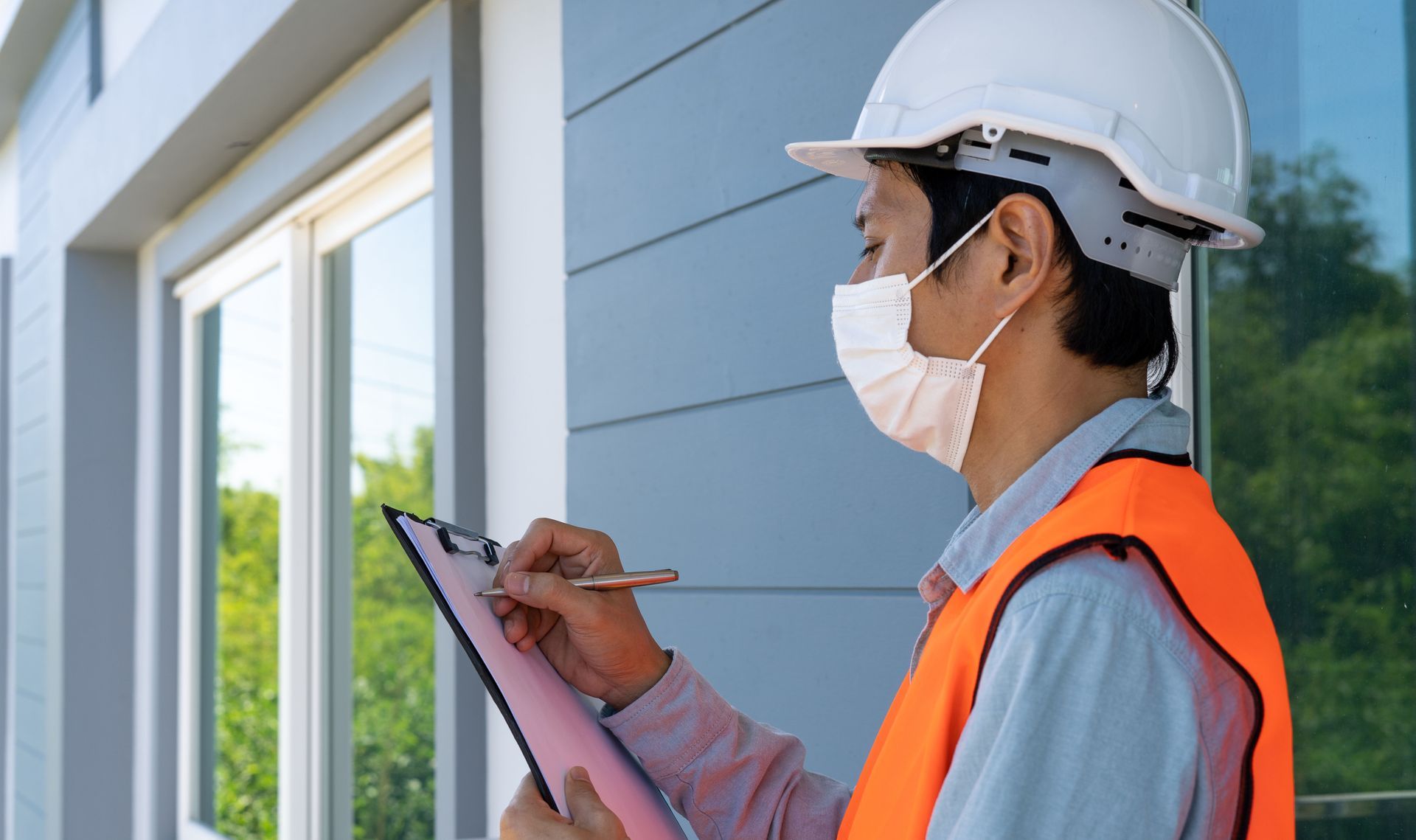
The roof and exterior help protect the home from weather, moisture, and outdoor conditions. During an inspection, visible roof materials, flashing, exterior walls, trim, and other accessible features may be reviewed. The inspector may look for signs of wear, damage, water entry, or aging materials. According to Realtor, a home inspector checks 1,600 home features, from the foundation to the roof. This shows how many areas may be reviewed during an inspection. The exterior review may also include visible doors, windows, walkways, grading, and drainage conditions. These features can affect how water moves around the property and how well the home is protected. If concerns are identified, seeking professional help can provide more information about the condition and possible next steps.
Checking the Electrical System
The electrical system supports lighting, appliances, heating and cooling equipment, and many other features throughout the home. An inspection may include a visual review of accessible electrical panels, wiring, outlets, switches, and other visible components. The goal is to identify conditions that may affect safety, function, or the system's overall condition. Home inspection companies review accessible areas without removing finished walls or taking apart equipment. The inspection is not a full electrical evaluation. When damaged components, unusual conditions, or possible safety concerns are observed, the report may recommend seeking professional help from a qualified electrical professional. The age and design of the system may also affect the findings, especially in older homes.
Evaluating the Plumbing System
A professional inspection often includes a review of visible plumbing components. The inspector may examine accessible supply lines, drain lines, fixtures, water heating equipment, and other exposed parts of the system. Water flow and drainage may also be observed at selected fixtures when conditions allow. The inspection may identify visible leaks, corrosion, damaged materials, slow drainage, or other signs that could point to a concern. Some plumbing lines are located behind walls, under floors, or in areas that are not accessible during the inspection. Because of these limits, the report reflects the conditions that were visible at the time of the visit. Home inspection companies may recommend seeking professional help when plumbing conditions require a closer review. A qualified plumbing professional can evaluate the concern in greater detail and provide information about possible repairs or further testing.
Assessing Heating and Cooling
Heating and cooling systems are important for indoor comfort and daily use. During the inspection, accessible equipment may be observed to determine whether it responds during normal operating conditions. The inspector may review visible components, controls, distribution areas, and other accessible parts of the system. The inspection is generally a visual and functional review rather than a complete technical analysis. The inspector may note unusual sounds, visible damage, limited performance, or conditions that could need further evaluation. Seasonal weather, equipment settings, and other factors may affect what can be tested during the appointment. When concerns are found, seeking professional help from a qualified heating or cooling professional may provide a more detailed assessment. Home inspection companies document their observations so buyers and sellers can better understand the condition of the equipment at the time of the inspection.
Inspecting Interior Areas
Interior spaces are reviewed to identify visible conditions that may affect the home's use, safety, or overall condition. The inspection may include walls, ceilings, floors, doors, windows, stairs, railings, and other accessible features. The inspector may look for signs of moisture, damage, movement, wear, or conditions that appear unusual. Interior observations can also provide information about other parts of the property. For example, staining on a ceiling may indicate a possible moisture concern, while cracks or uneven surfaces may require further evaluation. A visible condition does not always explain the cause, so the report may recommend seeking professional help when more information is needed. The inspection report may describe where a concern was observed and explain why it may need attention. This information can help readers discuss the findings with qualified professionals and make informed decisions based on the property's current condition.
Observing Attics and Insulation
Accessible attic areas can provide useful information about the home's structure, ventilation, insulation, and moisture conditions. During the inspection, visible framing, insulation, ventilation openings, and roof-related components may be reviewed. The inspector may also look for signs of water entry, damaged materials, or other visible concerns. Attic conditions can vary based on the home's design and accessibility. Some areas may be difficult or unsafe to enter, while others may be blocked by stored items or building materials. The inspection report may explain any limitations that affected the review. Home inspection companies may document visible insulation or ventilation concerns because these conditions can influence indoor comfort and the performance of the home. When a more detailed evaluation is needed, seeking professional help can provide additional information about the condition of the area.
Reviewing Safety Features
A professional inspection may include a review of selected visible safety-related features throughout the property. These may include stairs, handrails, guardrails, accessible electrical components, and other conditions that could create potential concerns. The inspector may also observe whether certain features appear damaged, missing, or improperly installed. The inspection is not a complete safety certification or a review of every current building requirement. Homes may have been built under different standards, and requirements can change over time. The report generally focuses on visible conditions that may affect safety or need further attention. When safety-related concerns are identified, seeking professional help from an appropriate professional can help clarify the condition and available options. The findings may also help buyers and sellers prioritize which issues should be reviewed first.
A professional home inspection provides useful information before a property purchase, sale, or other important decision. The findings can help buyers and sellers understand the home's current condition and identify areas that may need attention. Some concerns may be related to normal aging or routine maintenance, while others may require seeking professional help for further evaluation. A professional inspection reviews many visible and accessible parts of a property, including structural components, exterior features, major systems, interior areas, and selected safety-related conditions. The report explains what was observed and where further evaluation may be helpful. For a clear review of your property, contact Advantage Inspection Upstate, one of the home inspection companies available to help you understand the home's current condition.



Share On: