
Why You Shouldn't Waive Home Inspection When Buying a Home
Buying a home is one of the largest financial decisions many people will make in their lifetime. In the rush to close a deal, some buyers might consider waiving the home inspection. However, this step is critical to ensuring the largest investment of your life is a sound one. This article delves into the reasons why home inspections should never be skipped. Understanding the importance of a detailed home inspection can protect prospective homeowners from potential pitfalls.
Understanding the Home Inspection Process
The Purpose of a Home Inspection
The main goal of a home inspection is to identify any major issues with a property before purchase. A thorough inspection can prevent future costly repairs by uncovering hidden defects. Home inspections are designed to evaluate the safety and functionality of a home's systems and structures. By identifying potential issues upfront, buyers can negotiate repairs or pricing adjustments with the seller. Waiving an inspection can leave buyers unaware of significant problems that could affect their lives for years to come.
What Happens During a Home Inspection
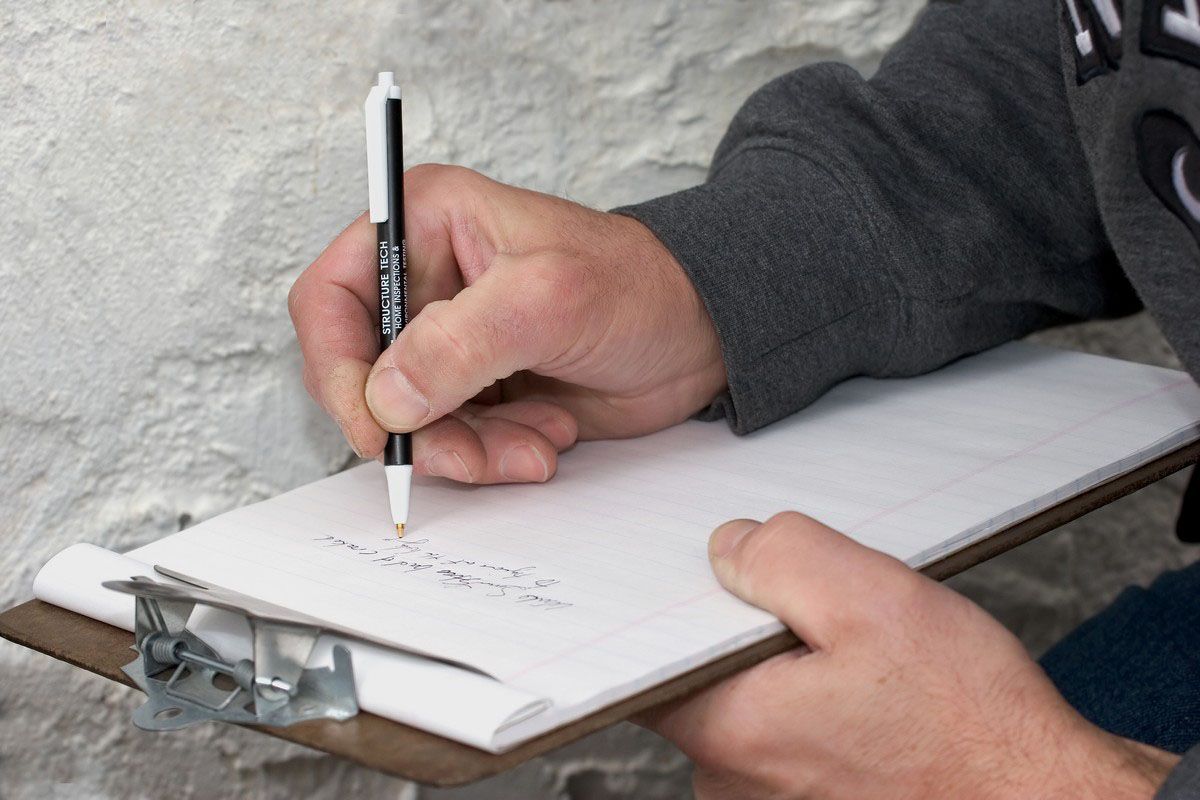
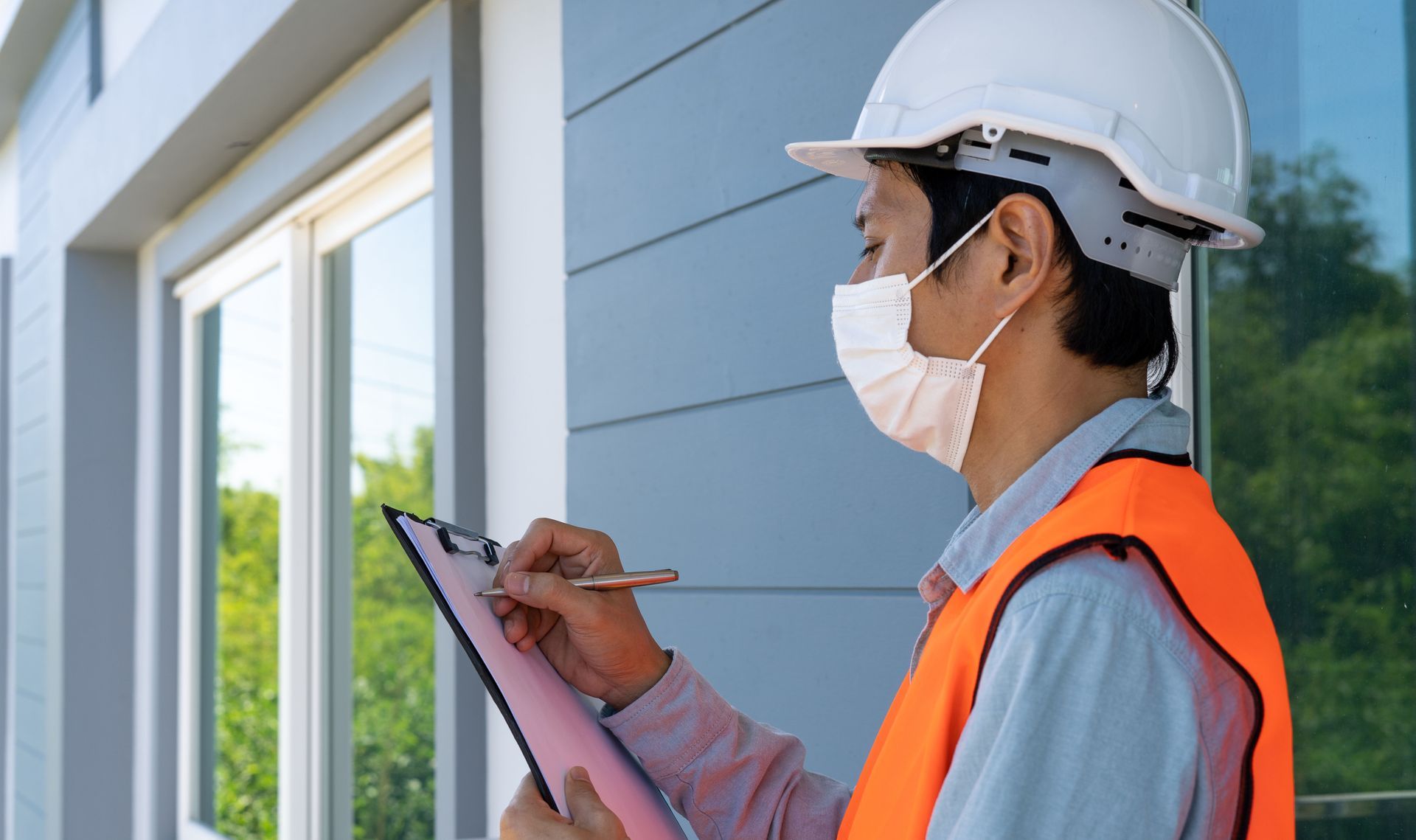
During a home inspection, a certified professional conducts a visual examination of the property. Inspectors focus on key areas such as the roof, foundation, plumbing, electrical systems, and overall structural integrity. They also check for any signs of water damage, mold, or pest infestation. Each aspect of a home is scrutinized to ensure it meets safety standards and functions as intended. An inspector's detailed report provides valuable insight into the condition of the home.
Who Conducts the Inspection
A professional home inspector typically conducts the inspection, armed with the expertise and tools necessary to identify potential issues accurately. These inspectors are often licensed and have undergone rigorous training to evaluate homes comprehensively. Their trained eyes can spot defects that may be missed by an untrained observer. By choosing a qualified inspector, buyers can be confident in the accuracy of the assessment. A buyer should always verify the credentials and reputation of the inspector before hiring them.
Post-Inspection Outcomes
After a home inspection, buyers receive a detailed report summarizing the findings; typically, this report is considered viable for 90 days, according to Lending Tree. This document outlines any significant issues with the property, recommended repairs, and potential safety hazards. Based on this information, buyers may renegotiate the price or request repairs as a condition of the sale. A thorough report empowers buyers with the knowledge necessary to make informed decisions. Understanding the outcomes of an inspection can provide peace of mind and prevent buyer's remorse.
Identifying Structural Issues
Foundation Problems
A solid foundation is crucial for a home's stability and longevity. Inspectors look for signs of cracks, settlement, or moisture damage during their examination. Foundation issues can lead to structural problems throughout the house, compromising safety and value. Identifying these issues early allows for corrective action before they become severe. Buyers can negotiate repairs or a price reduction if foundation problems are identified during an inspection.
Roofing Concerns
The roof is a home's first line of defense against the elements, and its condition can significantly impact property value. Inspectors assess shingles, flashing, and ventilation to ensure the roof is sound. Leaks or missing shingles can lead to water damage and costly repairs. A thorough inspection ensures the roof is secure and functioning properly. Buyers are advised to factor potential roofing repairs into their purchase decision.
Wall and Floor Problems
Inspectors also evaluate walls and floors, searching for cracks, unevenness, or water damage. Structural issues in these areas could indicate more significant problems, such as settling or moisture intrusion. The presence of mold or peeling paint can signal underlying issues requiring attention. Identifying potential red flags helps buyers avoid future surprises. Awareness of these concerns allows informed negotiations and investment decisions.
Load-bearing Components
Load-bearing walls and beams are essential for maintaining a home's structural integrity. Inspectors examine these components to ensure they are intact and free from damage. Compromised load-bearing structures can pose serious safety risks and require immediate attention. Recognizing and addressing these issues early can prevent costly structural repairs. A home inspection ensures that these critical parts of a home are safe and secure.
Evidence of Past Repairs
Signs of past repairs can provide clues about recurring problems in the home. Inspectors look for mismatched materials or shoddy workmanship indicating previous fixes. Understanding the history of repairs helps buyers anticipate potential future issues. Transparently addressing these findings can avert unpleasant surprises after purchase. Insight into past repairs equips buyers with valuable information for future maintenance and budgeting.
Revealing Hidden Safety Hazards
Electrical System Risks
Electrical systems are a critical focus during home inspections due to the safety risks associated with faulty wiring. Inspectors check for outdated panels, improper wiring, and overloaded circuits. Electrical hazards can lead to fires, making this evaluation crucial. Identifying these issues can prevent accidents and reduce the risk of significant property damage. Buyers should be prepared to address electrical problems as part of their investment in safety.
Plumbing Concerns
Plumbing issues, such as leaks or inadequate drainage, can lead to costly future repairs. During an inspection, professionals evaluate pipes, fixtures, and water heaters to ensure they are up to code. Undetected plumbing problems can cause water damage, mold growth, and increased utility bills. Early detection allows buyers to take corrective action before issues worsen. Properly functioning plumbing systems are essential for a home's livability and efficiency.
Fire and Safety Code Violations
Properties failing to meet current safety standards pose severe risks to occupants. Inspectors check for smoke detectors, fire extinguishers, and safe emergency exits. Compliance with safety codes ensures a home is safe for habitation. Identifying and rectifying violations protects buyers from potential liability or harm. An inspection includes a review of code compliance, safeguarding families and investments.
Mold and Indoor Air Quality
Mold growth and poor indoor air quality pose health hazards to occupants. Inspectors search for signs of mold, moisture intrusion, and inadequate ventilation systems. Poor air quality can lead to respiratory illnesses and exacerbate allergies or asthma. Addressing these issues ensures a healthier living environment for the home's inhabitants. Assessing air quality during an inspection helps protect both health and property value.
Asbestos and Lead Detection
Asbestos and lead are potential problems in older homes. Inspectors check for the presence of these hazardous materials, which require professional removal if found. Lead-based paint and asbestos fibers can cause serious medical conditions with prolonged exposure. Awareness of these dangers allows buyers to make informed decisions about safe materials handling. Investing in an inspection ensures potentially harmful substances are identified and managed properly.
Debunking Myths Around Waiving Inspections
"The House Looks Perfect"
Appearances can be deceiving, and even seemingly perfect homes may harbor hidden issues. Professional evaluation uncovers defects not visible to the untrained eye, impacting functionality and value. Exteriors or updated interiors might mask underlying problems only detectable through inspection. Relying on aesthetics alone jeopardizes crucial aspects of purchase understanding and security. Professional insights provide the confidence needed to invest wisely, ensuring hidden surprises are uncovered.
"The Seller Provided Their Own Inspection"
Relying solely on seller-provided inspections carries risks, as biases or omissions may exist. Second opinions from independent inspectors are recommended to affirm the thoroughness and integrity of assessments. Independent inspections add credibility and knowledge, enhancing buyers' trust in findings and decisions. Buyers should invest in their own inspections to ensure protection and due diligence in the purchase. Third-party evaluations empower buyers by offering an unbiased perspective essential for conscientious investment.
Waiving a home inspection might seem tempting in a competitive market or to save time and money upfront, but the potential risks and costs associated with discovering hidden issues later can far outweigh the initial savings. Understanding the critical role of inspections can safeguard your investment and ensure long-term peace of mind. Buyers are encouraged to consider the lasting benefits of conducting thorough home inspections before finalizing their purchase decisions. If you've decided a home inspection is a smart investment, reach out to Advantage Inspection Upstate today!


Share On: